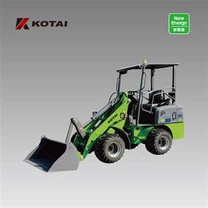
When choosing a wheel loader, there are many options to weigh - size, power, technology, comfort, and safety performance, but the most important may be the bucket. Choosing the wrong bucket can have a negative impact on your bottom line due to reduced productivity, increased fuel consumption, and premature wear. In fact, a wrong choice can increase your costs by 10% to 20%. So, how do you make the right choice? When selecting a bucket (and loader), please consider the following three factors.
1. Types of materials to be transported
The density of materials plays the greatest role in the selection of buckets, in addition to moisture content, hardness, and degree of wear. Choose the heaviest material you plan to handle most of the time. The names of buckets - universal, heavy-duty, wear-resistant - usually reveal the type of material they are handling. Please remember that you may not be able to fill a large bucket with very heavy, difficult to pass materials. A smaller bucket may have an advantage over a larger bucket as it allows your loader to cycle faster.
2. Bucket size
Don't fall into the myth that larger buckets mean more production. Choosing a bucket that pushes your loader beyond the recommended capacity limit - even if it's only a few percentage points - can accelerate wear, reduce component lifespan, and potentially result in unexpected malfunctions. Any short-term gains you achieve may be erased by maintenance and downtime. On the contrary, please follow this simple three-step procedure:
Consider the capacity of the truck you are loading.
Determine how much cargo you need to move every day.
Choose a bucket size that can bring you the ideal travel match.
In many cases, first determine the size of your bucket and then choose a wheel loader that can accommodate it, rather than the opposite.
3. Bucket design
Choosing the cheapest bucket may not necessarily be the best strategy. Two buckets may look the same, but there are significant differences in design, making the lower priced option a more cost-effective option. Here are some design features worth considering:
Harder and thicker sheet materials extend the service life of the bucket
High quality scraps, side cutters, and teeth are worth it in terms of productivity, reusability, and installation convenience
Longer bucket bottom plate can reduce cycle time
Curved side panels and integrated splash plates can improve material retention rate
Wear protectors and additional protective devices to reduce damage and extend bucket life
If you frequently replace the bucket, quick couplings can improve productivity
Additional devices such as bolted teeth and cutting edges make a bucket more versatile.
Source: Xianji.com