
1, Kazakhstan Business Inspection: Geographical Location
Kazakhstan is located in the central part of the Eurasian continent, bordering the Caspian Sea to the west (with a coastline of 1730 kilometers), Russia to the north, China to the east, and Uzbekistan, Turkmenistan, and Kyrgyzstan to the south. Kazakhstan has an area of 2.7249 million square kilometers and is the world's largest landlocked country. It is about 3000 kilometers wide from east to west and about 1700 kilometers long from north to south.
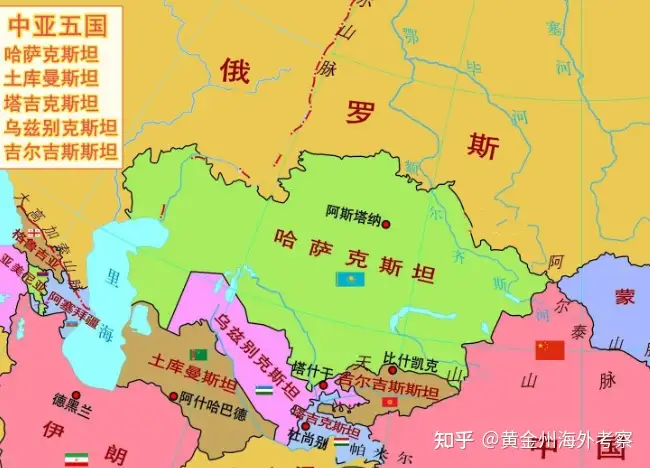
There are many plains and lowlands in Kazakhstan, and the entire region is in a transitional zone from plains to mountains. 60% of the land in Kazakhstan is desert and semi desert. The northernmost part is a plain, the central part is a Kazakh hill that is 1200 kilometers long from east to west, the southwestern part is mostly lowlands, and the eastern part is mountainous.
The geographical center of the Eurasian continent is located in Kazakhstan, with approximately 15% of Kazakhstan's land belonging to the European part.
2, Kazakhstan Business Inspection: Solid Mineral Resources
Kazakhstan is rich in natural resources, especially solid mineral resources. There are over 90 types of mineral deposits and more than 1200 types of mineral raw materials within the territory, with more than 500 proven black, colored, rare, and precious metal mineral deposits. Many mineral reserves account for a high proportion of global reserves, such as tungsten exceeding 50%, chromite exceeding 13%, uranium 19%, lead 19%, zinc 3.5%, copper and iron 10%. Many varieties rank among the top in the world by reserves.
1. Tungsten
Kazakhstan's tungsten reserves are 2 million tons, ranking first in the world and accounting for over 50% of global reserves. The tungsten mines are mainly concentrated in 12 mining areas in the central Karaganda region and the southeast, mostly consisting of tungsten molybdenum coexisting minerals. The largest tungsten mine is the Upper Kailakht mine located approximately 100 kilometers east of Atasu in Karaganda Oblast.
2. Chromium
Kazakhstan's chromium ore reserves rank first in the world. At present, there are 20 chromium mines with proven reserves, with a total reserve of over 230 million tons, accounting for one-third of the world's reserves.
3. Uranium
Kazakhstan has abundant uranium reserves, with proven reserves of around 1.5 million tons, accounting for 19% of global reserves and ranking first in the world. Uranium mines are mainly concentrated in the Chu River Saresu River uranium mining area in the south, the Syr Darya uranium mining area (accounting for more than 70% of Kazakhstan's total reserves), and the northern uranium mining area (accounting for about 17% of Kazakhstan's total reserves), with over 55 confirmed uranium mines. The hydrogeological conditions of uranium mines in Kazakhstan are very good, and the mining cost is low. More than 90% of the uranium mines currently being mined are extracted using low-cost underground leaching methods.
4. Manganese
Kazakhstan's total reserves of manganese ore exceed 600 million tons, ranking fourth in the world, only behind South Africa, Ukraine, and Gabon, all concentrated in Karaganda Oblast.
5. Copper
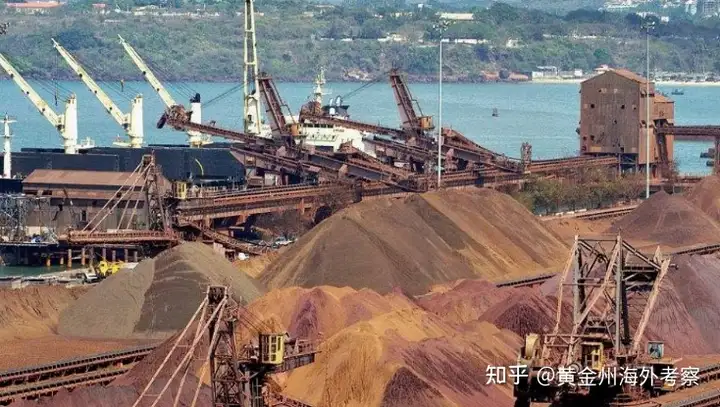
The proven reserves of copper mines in Kazakhstan are 20 million tons, accounting for 2.2% of the world's reserves. Ha has explored 93 copper mines, more than half of which are in the mining stage.
6. Lead and Zinc
Kazakhstan has proven lead reserves of 14.8 million tons, ranking sixth after Russia, Canada, Australia, the United States, and China. Ha has proven zinc reserves of 7.4 million tons, accounting for 3.5% of the world's reserves. The reserves rank fourth after Australia, the United States, and Russia. At present, more than 3000 lead-zinc deposits have been discovered in Kazakhstan, mainly concentrated in the central, southern, and eastern regions of Kazakhstan.
7. Iron
Kazakhstan has proven iron ore reserves of 16.6 billion tons, ranking sixth in the world, behind Russia, Australia, Ukraine, China, and Brazil. Kazakhstan's iron ore is rich, with a concentrate content of around 65%. Geologists predict its prospective reserves to be 15 billion tons, of which about 60% are rich and easily beneficiated.
8. Gold
Kazakhstan's proven gold reserves are about 1000 tons, ranking 15th in the world and accounting for 3% -4% of global gold reserves. Kazakhstan has 20 gold mining areas, mainly distributed in the northern, eastern, and southeastern regions of the country. From the perspective of the types of gold mines, single gold mines account for about 68% of the total reserves, while the rest are symbiotic mines. But currently, two-thirds of the country's gold production comes from symbiotic mines, which are extracted during the processing of zinc and copper. Kazakhstan's gold production ranks among the top 20 in the world.
9. Aluminum alum
Kazakhstan has discovered reserves of 450 million tons of aluminum alum, ranking 10th in the world, after Guinea, Australia, Jamaica, Brazil, India, China, Guyana, Suriname, and Venezuela. Kazakhstan has abundant reserves of aluminum ore, which can be mined for 90 years based on an annual extraction of 5 million tons.
10. Nickel and cobalt
According to proven reserves, Kazakhstan's nickel and cobalt reserves rank 12th and 7th in the world, respectively. There are 39 nickel mines and 55 diamond mines in the country.
3, Kazakhstan Business Inspection: Oil and Gas
Kazakhstan has abundant oil reserves, with proven reserves ranking 11th in the world and 2nd in the Commonwealth of Independent States. At present, Kazakhstan has recoverable oil reserves of 4.4 billion tons and recoverable natural gas reserves of 3.8 trillion cubic meters.
1. Onshore oil
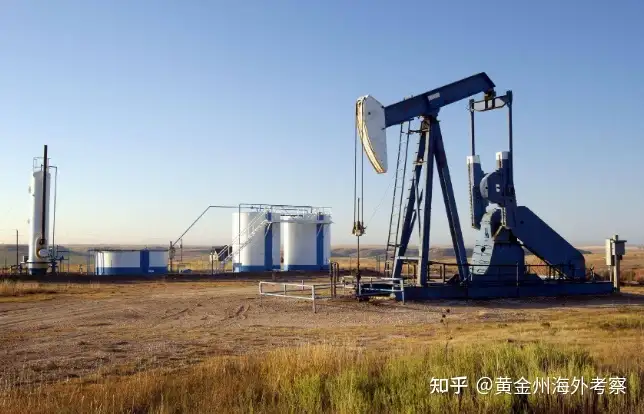
Kazakhstan has proven onshore oil reserves of 4.8-5.9 billion tons and natural gas reserves of 3.5 trillion cubic meters.
2. Oil in the Caspian Sea region
Kazakhstan belongs to the Caspian Sea region, which has the greatest potential for the growth of its oil mining output. The proven oil reserves are 8 billion tons, of which the largest recoverable oil reserves in Kashagan oilfield is 1 billion tons, and the recoverable natural gas reserves are more than 1 trillion cubic meters.
The Caspian Sea Basin is one of the regions with the richest oil and gas reserves in the world today. According to experts' estimates, the total oil reserves in the region can reach 90-200 billion barrels, and the natural gas reserves are about 45.88 trillion cubic meters, accounting for 17.2% and 7.5% of the world's total oil and gas reserves, respectively. Therefore, the Caspian Sea is known as the "second Middle East".
There are five countries surrounding the Caspian Sea, namely Kazakhstan, Azerbaijan, Turkmenistan, Russia, and Iran. According to the Energy Information Administration of the United States Department of Energy, Kazakhstan has a total oil reserve of 1010-109.6 billion barrels in the Caspian Sea, accounting for about half of the total reserves in the Caspian Sea region. The total natural gas reserve is 153.3 trillion cubic meters, accounting for about one-third of the total reserves in the Caspian Sea region.


